Trekking Morocco

Trekking in Morocco

Discover the Atlas Mountains, Berber villages and Morocco's most spectacular trekking experiences with local mountain experts.

Local Amazigh Experts
Authentic Experiences
Small Groups
Atlas Mountain Specialists

One of North Africa's Best Trekking Destinations

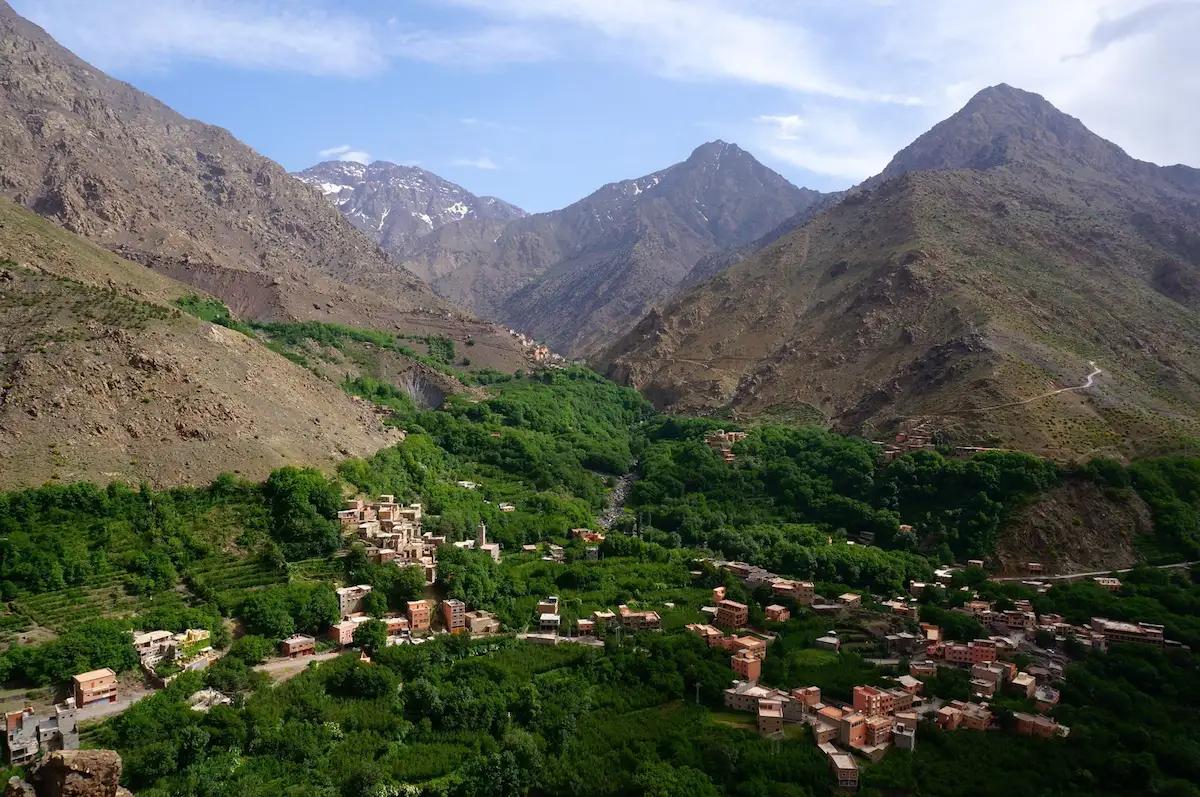
Morocco is one of North Africa's finest trekking destinations — and still one of the least crowded. Just a short flight from Europe, the Atlas Mountains rise to 4,167 metres at Mount Toubkal, the highest peak on the continent, offering world-class hiking through a landscape of deep valleys, high passes, terraced fields and remote Berber villages.

What makes trekking in Morocco special is that you never walk through empty wilderness. Every trail is a living path between villages, where Amazigh (Berber) families welcome you for mint tea and share a way of life unchanged for centuries. Morocco blends genuine mountain adventure with deep culture and warm, authentic hospitality.

Best of all, there is a trek here for every experience level and every season — from gentle one-day village walks to the Toubkal summit, the remote Mgoun traverse and Sahara desert crossings. Pair a trek with our Morocco guided tours or an Atlas Mountains day trip to build the perfect trip.

World-class Atlas hiking Summit Mount Toubkal (4,167 m) and trek the High Atlas, Mgoun and Jebel Saghro
Authentic Berber hospitality Village guesthouses, home-cooked tagines and real Amazigh mountain culture
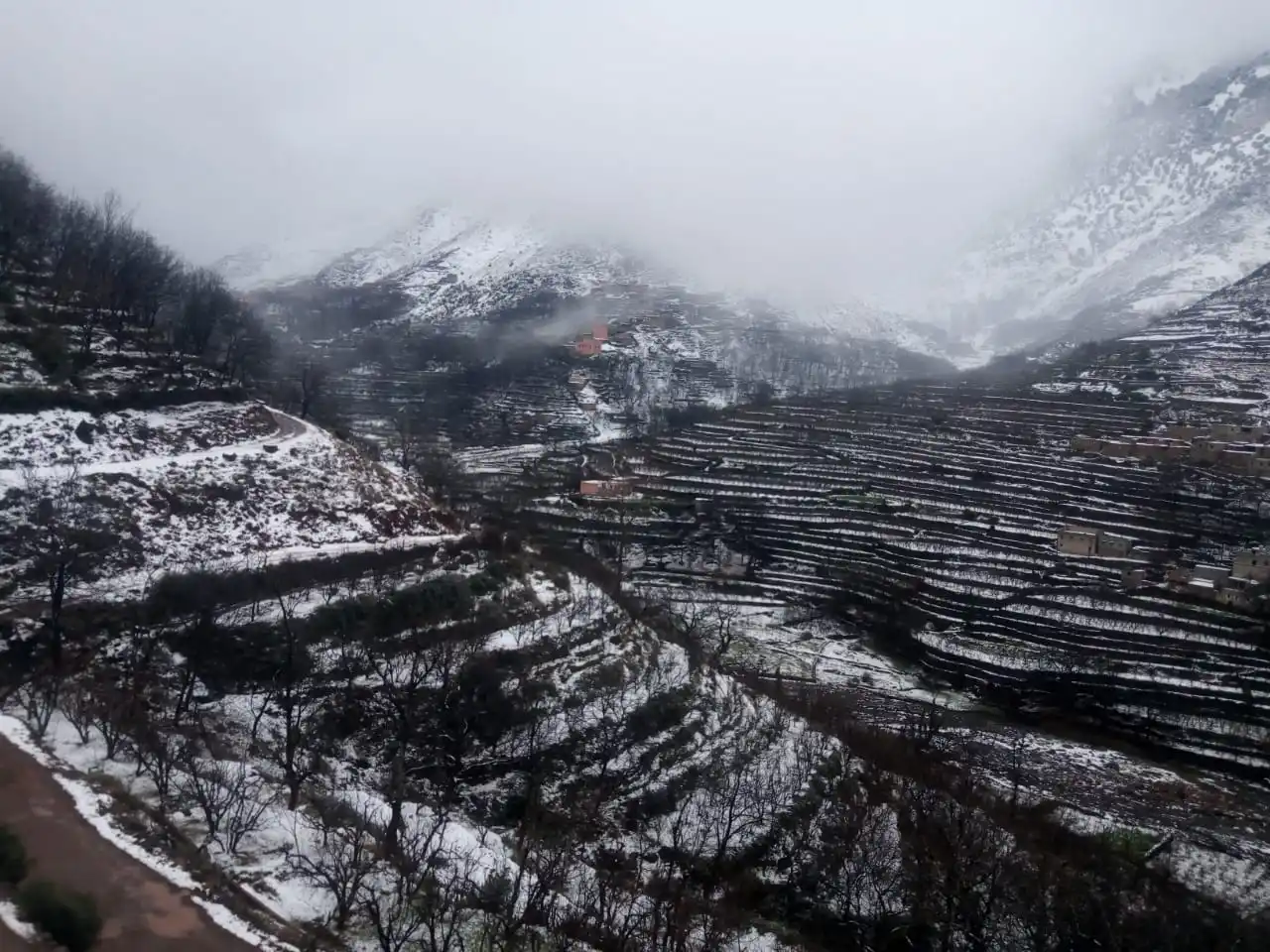
Four-season trekking High peaks in summer, deserts in winter, and perfect valleys in spring and autumn
Local licensed guides Safe, expertly guided treks led by mountain guides born in the Atlas

Trekking Regions of Morocco

Six distinct regions, each with its own character, altitude and best season — from the giant of the High Atlas to the volcanic desert of Jebel Saghro.

Up to 4,167 m

High Atlas Mountains

The backbone of Moroccan trekking — the highest summits, deepest valleys and most beautiful villages, all within reach of Marrakech.

4,167 m · Summit routes

Toubkal National Park

The most popular trekking area in Morocco, centred on Imlil — Mount Toubkal, a ring of 4,000 m peaks, refuges and steep valleys.

~3,000 m · Quiet & green

Azzaden Valley

A greener, calmer valley just west of Imlil — scattered hamlets, walnut groves and authentic Berber village life, far from the crowds.

4,071 m · Remote

Mgoun Region

The connoisseur's choice — remote high plateaus, river-walking gorges and the country's second-highest summit, with almost no other trekkers.

~2,700 m · Winter trek

Jebel Saghro

A stark, sculpted range of volcanic pinnacles on the edge of the Sahara — the perfect low-altitude trek when the High Atlas is under snow.

Low · Oct–Apr

Sahara Desert

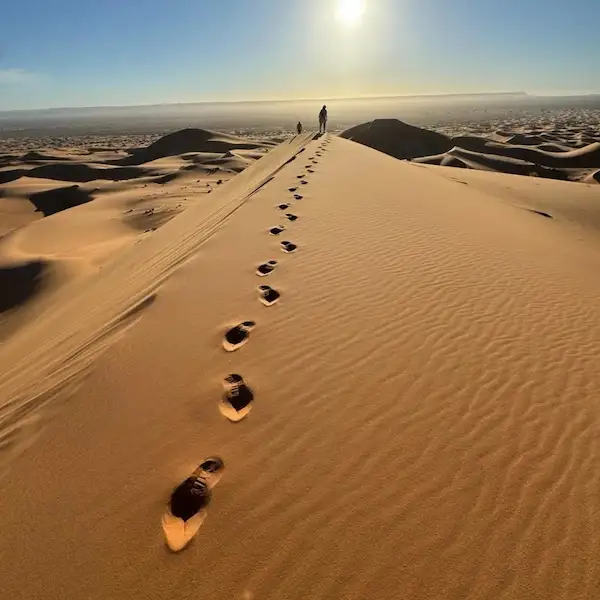
A slower, meditative kind of walking across the great dune seas of Erg Chebbi and Erg Chigaga — scale, silence and unforgettable starlit camps.

Why Trek in Morocco

Real high mountains, real culture and real remoteness — without the two-day journey just to reach the trailhead.

Diverse Landscapes

Snow-capped 4,000 m peaks, green valleys, high passes, volcanic desert mountains and Sahara dunes — it is like trekking several countries in one.

Berber Hospitality

Every trail runs through living villages where Amazigh families welcome you for mint tea. The human warmth is what trekkers remember longest.

Four-Season Trekking

Because Morocco stacks high mountains and desert so close together, there is always a trek in season — high peaks in summer, deserts in winter.

Affordable Adventure Travel

Compared with the Alps or Nepal, trekking in Morocco is remarkable value — a licensed guide, cook, mules and full board for a fraction of the cost.

Experienced Local Guides

Our licensed mountain guides were born in these valleys. They read the weather and the terrain, manage altitude and keep every trek safe.

Authentic Mountain Culture

Sleep in village guesthouses, eat home-cooked tagines and experience an Amazigh way of life that has endured for thousands of years.

Trek Difficulty Levels

There is a Morocco trek for everyone. Match the grade honestly to your fitness — nothing spoils a trek faster than choosing a level above your current condition.

Level 1

Easy

Short 2–4 hour days on well-trodden mule paths with modest ascent and comfortable guesthouses. Ideal for families and first-timers with everyday fitness.

Level 2

Moderate

Full 4–6 hour days with real ascents and descents on rougher ground up to around 3,000 m. Needs reasonable fitness and comfort on uneven terrain.

Level 3

Challenging

Long, demanding 6–9 hour days at altitude, with steep scree climbs and thin air above 3,500 m. Requires good stamina and determination — think Toubkal.

Level 4

Expedition

Multi-day, remote, self-sufficient trekking with camping, river crossings and sustained days over 4,000 m — or winter ascents needing crampons and an ice axe.

Best Time for Trekking in Morocco

The "best" season depends entirely on where you walk. In summer you go high; in winter you go low. Here is the year at a glance.

SeasonTemperaturesBest RegionsRecommendation
Spring
Mar–May
Valleys 15–25°C; cold and snowy on the high passes early on High Atlas, Imlil, Berber villages; early-season desert Best all-round season — green valleys, blossom and full rivers. Aim for late spring for Toubkal.
Summer
Jun–Aug
Hot below 2,000 m (35°C+); cool and pleasant up high Mount Toubkal, Mgoun and the highest summits only Prime, snow-free window for high peaks. Avoid the desert — go high and start walking early.
Autumn
Sep–Nov
Warm, stable days 15–25°C; cool nights at altitude High Atlas, Toubkal, valleys; desert from October Rivals spring as the best season — golden light, harvest villages and clear, settled weather.
Winter
Dec–Feb
Snow and sub-zero up high; cool, clear 15–20°C days in the desert Sahara, Jebel Saghro; low foothill & coastal walks Go low. The desert and Jebel Saghro shine; the High Atlas becomes a serious winter mountaineering trip.
Local Amazigh guide sharing traditional Berber mint tea in the High Atlas Born in the Atlas Mountains

Trek With Real Mountain People

The single most important choice you make when trekking in Morocco is who you walk with. Our guides are not city agents — they are Amazigh (Berber) mountain people, several born in the very villages our treks pass through.

Licensed local guidesQualified mountain guides who know every pass, refuge and river crossing — and speak your language.
Authentic experiencesVillage guesthouses, home-cooked meals and genuine access to Berber life you simply cannot book online.
Supporting mountain communitiesYour trek pays village guides, cooks and muleteers directly — keeping young people working in the mountains.
Safety & local knowledgeReading weather and altitude, managing the route and handling any problem long before it becomes one.

Trekking Morocco FAQ

Yes — Morocco is one of North Africa's finest and most underrated trekking destinations. In a single, easy-to-reach country you can climb Mount Toubkal (4,167 m, the highest peak in North Africa), walk between remote Berber villages, cross high passes and trek Sahara dunes. Trails are a short flight from Europe, guiding is affordable, and Berber hospitality makes multi-day trekking safe and rewarding — with genuine routes in every season.
For the High Atlas and Mount Toubkal, the best months are April to June and September to October, when days are warm, skies are clear and the high passes are largely free of snow. July and August suit the very highest summits but are too hot for the desert. For Sahara and Jebel Saghro treks the best season is the opposite, roughly October to April. In short, spring and autumn are the sweet spot for most trekkers.
Mount Toubkal is a strenuous but non-technical trek rather than a climb. At 4,167 m the main challenge is altitude and the long, steep, scree-covered summit push rather than any need for ropes or climbing skills in summer. A reasonably fit hiker comfortable with long uphill days can reach the top in two to three days from Imlil. In winter, snow and ice turn it into a mountaineering objective needing crampons, an ice axe and experience or a qualified guide.
For Mount Toubkal a qualified local mountain guide is officially required and checked at the national park entrance. For most other multi-day High Atlas, Mgoun, Jebel Saghro and Sahara treks a guide is strongly recommended: local guides handle route-finding, weather, altitude, logistics and safety, and hiring them supports the Berber mountain economy. Easy valley and village day walks can be done independently, but a guide always adds safety and depth.
Morocco is a safe country for hiking and trekking, including for women and solo travellers who go with a guide or reputable operator. Mountain villages are famously welcoming and crime against visitors is rare. The real risks are environmental rather than human: altitude on Toubkal, fast-changing mountain weather, heat in the desert and rough terrain. Trekking with a local guide, carrying proper gear and taking travel insurance that covers mountain activities removes almost all of the risk.
Absolutely. Morocco offers a full ladder of difficulty, so beginners can start with gentle one and two-day Berber village and Imlil valley walks, sleeping in guesthouses each night, before working up to harder multi-day routes or the Toubkal summit. With a local guide handling logistics and a mule carrying the bags, even people with no previous trekking experience can complete a rewarding multi-day hike in the Atlas.

Dedicated guides for every trek below are launching soon as we build out Morocco's most complete trekking resource.

Plan Your
Morocco Trek

Tell us your dates, fitness and dream route, and our local Amazigh guides will design a private trek just for you — free advice, no pressure.