
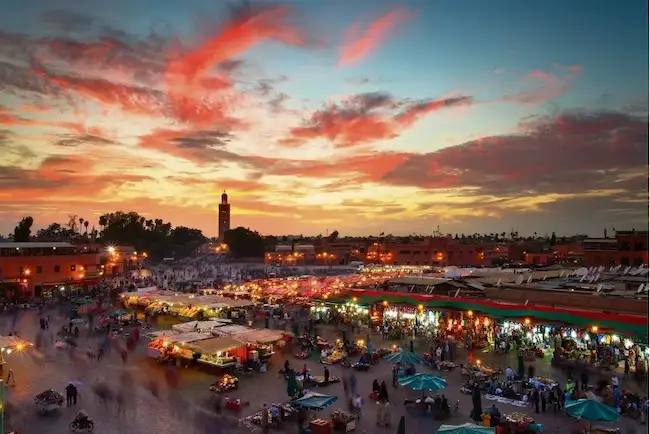
Yes, Morocco is generally very safe for tourists, but—like any destination—there are precautions travelers should know. Violent crime against visitors is rare. The realistic risks are petty: pickpocketing in crowds, persistent sellers, and a few well-known scams. Read on for the honest details, city by city and situation by situation.
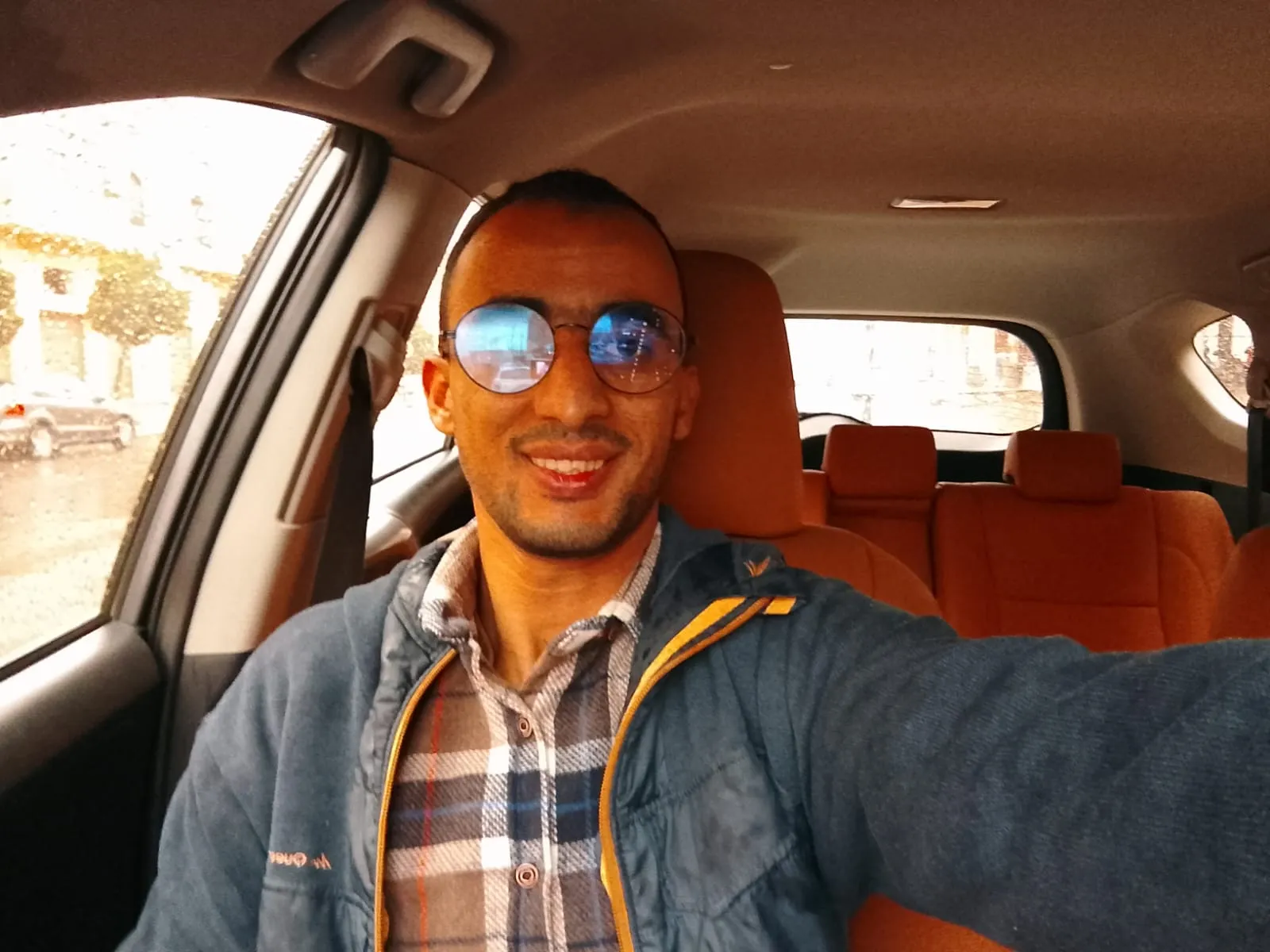
I’m Marouan. I was born in a small village in the Atlas Mountains and I’ve lived and worked in Marrakech for years, driving and guiding travelers all over the country. I get asked “is Morocco safe?” almost every week, usually by people who’ve read one scary forum thread and one glowing blog post and don’t know which to believe.
This guide is my honest answer. I won’t exaggerate the dangers to sound dramatic, and I won’t pretend nothing ever goes wrong to sell you a tour. Morocco is a warm, welcoming, largely safe country — and it also has its own quirks, hustles, and places where a little common sense goes a long way. Here is everything I’d tell a friend before their first trip.
Quick Facts
Table of Contents
- Crime Levels in Morocco
- Is Marrakech Safe?
- Is Morocco Safe for Solo Female Travelers?
- Common Tourist Scams (And How to Avoid Them)
- Safety in the Medina at Night
- Transportation Safety
- Desert Tour Safety
- Atlas Mountains Trekking Safety
- Emergency Numbers & Practical Info
- Local Advice From a Marrakech Resident
- Frequently Asked Questions
Crime Levels in Morocco
Let’s start with the honest big picture. Morocco is one of the more stable and secure countries in the region, and tourism is a national priority — which means the government invests heavily in keeping visitors safe. You’ll notice a visible police presence around airports, train stations, main squares, and tourist medinas. In Marrakech and Agadir there are dedicated tourist police units, and many officers in tourist zones speak some English or French.
Violent crime against tourists is rare. Muggings happen, but they are not the everyday reality most visitors experience. In more than a decade of driving and guiding, the overwhelming majority of problems I see travelers run into are non-violent and avoidable: an overcharged taxi, a “helpful” stranger who expects to be paid, or a phone slipping out of a back pocket in a crowded souk.
What actually happens to tourists
- Pickpocketing & bag-snatching — the most common real risk, concentrated in dense crowds, busy souks, and around major squares. Opportunistic, not aggressive.
- Scams & overcharging — covered in detail below. Annoying and occasionally costly, but rarely dangerous.
- Aggressive selling & persistent “guides” — more of a hassle than a threat, especially in Marrakech and Fez medinas.
- Moped & traffic risk — honestly, crossing a busy street can feel like the most dangerous part of your trip. Mopeds weave through medina lanes; stay alert.
What is genuinely uncommon
Random violent attacks on tourists, kidnappings, and terrorism-related incidents are very rare. Morocco has had isolated serious incidents over the years, as most countries have, but they are not representative of day-to-day travel. I always recommend checking your own government’s current travel advisory before any trip — not because Morocco is unusually risky, but because it’s sensible anywhere.
A note on perspective
If you’ve traveled safely in a busy European city like Barcelona, Rome, or Paris, you already have the instincts you need for Morocco. The risks are similar in shape — crowds, pickpockets, tourist-priced taxis — just wrapped in a different culture.
Is Marrakech Safe?
Yes — Marrakech is very safe for tourists, and it’s the city I know best because I live here. It’s Morocco’s most-visited destination, with millions of arrivals a year and a strong security presence to match. That doesn’t mean it’s effortless: the medina is intense, fast, and full of people who’d like a piece of your attention. “Safe but full-on” is the honest summary.
Areas that are safe day and night
- Jemaa el-Fna — the main square. Busy until very late, with constant police presence. Watch your pockets, not your back.
- Gueliz — the modern new town, with cafes, shops, and wide, well-lit streets. Very relaxed.
- Hivernage — upscale hotels and restaurants; calm and secure in the evenings.
- Most riads inside the medina — once you’re off the main thoroughfares onto residential derbs, things get quiet and local.
Where to use more care
Deep, unlit medina backstreets late at night aren’t so much “dangerous” as disorienting — the real risk is getting lost in a maze with no one around. Quiet residential neighborhoods far from tourist routes are best avoided alone after dark, simply because there’s little reason to be there and little foot traffic if you need help.
The biggest “danger” in Marrakech is your wallet, not your safety. Decide your route before you walk, agree prices before you commit, and remember that a calm, firm “la, shukran” (no, thank you) and a smile is the most powerful tool you have.
Is Morocco Safe for Solo Female Travelers?
This is the question I get asked most, and it deserves an honest answer rather than a slogan. Yes, Morocco is generally safe for solo female travelers, and thousands visit alone every year and have a wonderful time. But I won’t pretend the experience is identical to traveling as a man — it isn’t.
The most common issue solo women report is unwanted verbal attention: comments, persistent “hello, where are you from?” follow-ups, and the occasional overly-friendly shopkeeper. This is annoying and can feel intimidating, but it very rarely escalates into anything physical. Serious harassment and assault are not the typical experience. Knowing the difference ahead of time helps you stay relaxed rather than on edge.
Practical tips that genuinely help
- Dress modestly outside tourist zones — covering shoulders and knees draws less attention. In beach towns like Essaouira and Agadir, lighter clothing is normal.
- Walk with purpose. Looking like you know where you’re going (even if you don’t) reduces approaches. Duck into a cafe to check your map rather than standing lost in the street.
- Use a firm, neutral “no.” You don’t owe anyone conversation. A short “la, shukran” without eye contact, and keep moving.
- Choose well-reviewed riads. Female-run and family-run guesthouses are excellent, and staff will arrange trusted taxis and guides for you.
- Be cautious very late at night. Avoid empty streets alone after dark; take a pre-booked driver or a riad-recommended taxi back.
- Trust your instincts. If a “guide,” shop visit, or invitation feels off, it’s completely fine to leave. You’re not being rude.
Small things that reduce hassle
- A wedding ring (real or not) and a mention of “my husband is meeting me” can shorten unwanted conversations.
- Sunglasses make it easier to avoid eye contact without seeming rude.
- Joining a group day tour or a desert trip is a relaxed way to see more remote areas without traveling those roads solo.
Plenty of solo women tell me afterward that the warmth and hospitality they experienced — tea with a shopkeeper’s family, help from a stranger when they were lost — was the highlight of their trip. Both things are true at once: stay aware, and expect kindness.
Common Tourist Scams (And How to Avoid Them)
If something does go “wrong” on your trip, it’s most likely to be one of these. None are dangerous, all are avoidable, and once you know the script they lose their power. The golden rule: nothing in Morocco is truly free, and a confident, friendly “no” ends almost everything.
Fake “guides” in the medina
Someone notices you looking at a map or hesitating at a junction and offers to show you the way — or tells you “that road is closed” or “the tannery is this way.” They walk you around, then demand a steep fee, sometimes aggressively, or steer you into a shop where they earn commission.
Unofficial taxi drivers & “no meter”
A driver refuses to use the meter, quotes a tourist price four times the real fare, or claims your hotel “closed / moved / is full” to divert you to a place that pays commission. Most common at airports and train stations.
Overcharging & the “no price” trick
In souks and some cafes, nothing is labeled, and you’re quoted a high price on the assumption you won’t check. Or a fresh orange juice / snack arrives “on the house,” then appears on the bill.
The henna ladies
Around Jemaa el-Fna, women may grab your hand and start applying henna before you’ve agreed to anything, then demand a high price. Occasionally the “black henna” used contains additives that can irritate skin.
Monkey & snake photo scams
Also on Jemaa el-Fna: a handler drapes a Barbary macaque on your shoulder or gestures you toward the snake charmers, then aggressively demands payment for the “photo.” Beyond the cost, these animals are often kept in poor conditions — many travelers prefer not to support it at all.
The one habit that prevents most scams
Decide and agree on the price before anything begins — before the taxi moves, before the henna touches your hand, before the “guide” takes a step. Almost every Morocco scam relies on you agreeing to a price only after you’re committed.
Safety in the Medina at Night
“Is Morocco safe at night?” is really two questions. On the busy, lit-up parts of a medina — Jemaa el-Fna at 10pm, the main souk arteries, the cafe-lined squares — the answer is an easy yes. These places are lively well into the night and full of families, locals, and tourists. Nightlife in the medina is one of Morocco’s great pleasures.
The honest caveat is the narrow residential backstreets. Medinas like Marrakech and especially Fez are mazes, and once the shops shut, side derbs become dark, empty, and easy to get lost in. The risk there is less about crime and more about disorientation — turning a wrong corner and suddenly having no idea where you are, with no one around to ask.
Simple rules for the medina after dark
- Stick to lit, busy routes. If a lane is dark and empty, double back to the main flow rather than pushing through.
- Save your riad’s location offline and a photo of the nearest landmark or medina gate (bab). “Take me to Bab Doukkala” is easier than an address.
- Note the nearest big landmark. Most people can point you toward Jemaa el-Fna or the Koutoubia minaret.
- If you’re truly lost, ask at a shop or cafe rather than accepting a stranger who appears out of nowhere offering to lead you (that’s the “guide” scam).
- Coming back late from outside the medina? Have your riad arrange a trusted taxi or use a pre-booked driver who can get you to the right gate.
Honest note
Fez medina deserves extra caution at night specifically because of how large and labyrinthine it is. During the day it’s fascinating and fine; very late at night, in the deep interior, I’d take a guide or stay near the main routes.
Transportation Safety
Getting around Morocco is safe when you use the right options, and most travel headaches come down to taxis rather than any real danger. Here’s how each option really stacks up.
The options, ranked by ease for tourists
- Trains (ONCF) — clean, reliable, and the best way between major cities like Casablanca, Rabat, Fez, and Marrakech. The Al Boraq high-speed line (Tangier–Casablanca) is excellent. Watch your bags at busy stations, otherwise very low-stress.
- Pre-booked private transfers — the calmest option, especially for airports, late arrivals, families, and city-to-city trips. Fixed price, named driver, no haggling.
- Petit taxis (in-city) — fine, but insist on the meter or agree the fare first. They’re shared and limited to three passengers within city limits.
- Grand taxis (between towns) — older shared Mercedes that fill up before leaving. Clarify whether you’re paying per seat or for the whole car, or you may be surprised.
- Intercity buses (CTM & Supratours) — comfortable, safe, and good value; book the reputable companies, not informal operators.
Driving yourself
Roads between cities are generally good and the motorways are modern. The challenges are aggressive overtaking, mopeds, animals on rural roads, and frequent police speed checks (carry your documents and respect limits). I don’t recommend driving inside the old medinas at all — the lanes are narrow, chaotic, and often pedestrian-only. Avoid long rural drives after dark when visibility and animal-on-road risk are worse.
Transport safety quick tips
- Agree taxi prices before the wheels turn, or insist on the meter.
- Keep valuables on you, not in the trunk.
- For airport pickups, pre-book to skip the arrivals-hall haggling.
- Wear seatbelts — in grand taxis they’re not always offered; ask.
- For long distances, the train or a private driver beats a stranger’s car every time.
Desert Tour Safety
A Sahara trip — Merzouga or Zagora, camel trek, night in a desert camp under the stars — is for many people the highlight of Morocco, and it’s a safe experience when run by a competent operator. The desert itself is not lawless or dangerous; the things to get right are the operator, the vehicle, and the climate.
What makes a desert trip safe
- A reputable operator with a proper 4x4 and an experienced driver. The long drive from Marrakech crosses the High Atlas on winding mountain roads — this is the part where vehicle condition and a non-exhausted driver actually matter. Avoid the cheapest “too good to be true” deals.
- A real camp, not an improvised one. Established camps have proper tents, food hygiene, and staff on site overnight.
- Climate preparation. Desert days can be very hot and nights surprisingly cold. Bring water, sun protection, a hat, and a warm layer for the evening, even in summer.
- Camel-trek sense. Hold on, listen to the handler when the camel stands and sits (that’s when people wobble off), and tell your guide about back or mobility issues beforehand.
Health & comfort in the dunes
- Stay hydrated — carry more water than you think you need.
- A scarf/shesh protects against sun and blowing sand.
- Phone signal is patchy; let someone know your itinerary and your operator’s name.
- Solo travelers: a small-group desert tour is the easiest, safest way to do this.
The single biggest safety factor on a desert tour isn’t the Sahara — it’s who you book with and the road there. Choose an operator with real reviews, clear inclusions, and a well-maintained vehicle, and the rest is just an unforgettable trip.
Atlas Mountains Trekking Safety
This is home for me — I grew up in the High Atlas — so I say this with affection and honesty: the mountains are wonderfully safe in terms of people, and the real risks are about terrain, weather, and altitude, the same as any mountain region in the world. Berber mountain villages are famously hospitable; crime against trekkers is very rare.
From easy day trips to serious peaks
A day trip to Imlil or the Ourika Valley is gentle and accessible for most fitness levels. Climbing Mount Toubkal (4,167m), North Africa’s highest peak, is a different undertaking — it’s non-technical in summer but still high altitude, and in winter it requires crampons, ice axe, and real mountain experience or a qualified guide.
Trekking safety essentials
- Use a qualified local guide for anything beyond an easy valley walk. For Toubkal and multi-day routes, a licensed mountain guide is the standard and worth every dirham — weather changes fast up high.
- Respect altitude. Above ~3,000m, ascend gradually and watch for headaches, nausea, and dizziness. Don’t push a summit if you feel unwell.
- Check the season. Winter brings snow and ice to the high routes; summer brings heat lower down and possible afternoon storms. Spring and autumn are ideal.
- Pack properly — layers, waterproof, sturdy boots, sun protection, plenty of water, and a charged phone (with the understanding that signal is patchy).
- Tell someone your route and expected return. On longer treks, mules and muleteers carry gear and add a margin of safety.
In the mountains, the weather is the boss, not your schedule. A clear morning can turn to cloud and cold by afternoon at altitude. A good guide who says “not today” is keeping you safe, not letting you down — listen to them.
Emergency Numbers & Practical Information
Save these before you travel. In cities, dial 19 for police; in rural areas and on highways, the Gendarmerie Royale on 177 covers you. Many operators in tourist areas speak some English or French, and your riad or hotel staff are an excellent first point of contact in any situation.
| Service | Number | Notes |
|---|---|---|
| Police (cities) | 19 | Urban areas & tourist zones |
| Gendarmerie | 177 | Rural areas, highways, countryside |
| Ambulance / SAMU | 15 | Medical emergencies |
| Fire / Civil protection | 15 | Fire and rescue |
| Tourist info | Ask your riad | Hotels can reach tourist police |
Practical things that keep trips smooth
- Travel insurance. Get a policy that covers medical care and evacuation, especially for desert and mountain activities. Private clinics in big cities are good but expect upfront payment.
- Money. Morocco is largely cash-based. Use ATMs inside banks, keep your card in sight when paying, and carry small notes for taxis and tips. Carry only what you need for the day.
- Water & food. Stick to bottled or filtered water and you’ll likely be fine. Busy, popular eateries with high turnover are your friend.
- Documents. Carry a copy of your passport; leave the original in your riad safe unless you need it for travel.
- Connectivity. A cheap local SIM (Maroc Telecom, Orange, or inwi) or eSIM gives you maps and translation everywhere — one of the best safety tools you can buy.
- Dress & respect. Modest dress in non-tourist areas, ask before photographing people, and remember Ramadan etiquette if you visit during the holy month.
Local Advice From a Marrakech Resident
After all the lists, here’s what I’d actually say to you over a glass of mint tea before your trip — the things that matter more than any rule.
Most people who approach you mean well. Moroccans are genuinely, famously hospitable. The hard part is that the small minority running hustles use the same warm opening as the majority who are simply being kind. Don’t let the scams make you cold to everyone — just keep a friendly skepticism until you know which is which. The shopkeeper who invites you for tea with no hard sell, the stranger who walks you to your riad and waves off any money: those people exist, and they’re the real Morocco too.
“No” is a complete sentence here. A lot of travelers get into trouble by being too polite — they don’t want to seem rude, so they engage, hesitate, and get drawn in. You can be warm and still firm. Smile, say “la, shukran,” and keep walking. No one is genuinely offended; it’s part of the rhythm of the souk.
Slow down and the city softens. The medina feels overwhelming on day one and charming by day three. Give yourself a day to adjust before judging the place. Sit in a cafe, watch the street, learn the flow. The travelers who have a bad time are usually the ones who arrive stressed, get hassled, and never recover from that first impression.
Spend a little on the things that reduce stress. A pre-booked airport pickup after a long flight, a trusted driver for a day trip, a good riad in a calm part of the medina — these aren’t luxuries, they’re what turn a chaotic trip into a smooth one. That’s honestly why I started Qimal: to give visitors a reliable local option without the inflated commissions and guesswork.
The honest bottom line
Is Morocco safe? Yes — generally very safe for tourists. Come with the same street-smarts you’d use in any busy city, expect some hassle in the souks, agree prices before you commit, and lean into the hospitality. Do that, and the odds are overwhelming that your strongest memory won’t be a scam or a worry — it’ll be the kindness of the people, the food, the colors, and a sunset over the dunes or the mountains.
Frequently Asked Questions
Is Morocco safer than Egypt?
Both are popular, generally safe destinations and most tourists have a trouble-free time in either. Statistically Morocco tends to score slightly higher on global peace and safety indexes, and many travelers find the hassle level in Moroccan tourist cities a touch lower. Honestly, though, the practical advice is almost identical: stay aware in crowds, use trusted transport, agree prices in advance, and decline scams politely. Pick the one whose sights you want to see — safety shouldn’t be the deciding factor between them.
Is Morocco safe for families with children?
Very much so. Morocco is a deeply family-oriented culture, and children are welcomed warmly everywhere — often with extra patience and kindness from locals. Marrakech, Rabat, Essaouira, and Agadir all have family-friendly accommodation and attractions. The main adjustments are practical: the heat, the intensity of the souks, and crowded taxis. Booking private transport and choosing a riad with a pool or courtyard makes traveling with young kids far calmer.
Is Morocco safe for Americans?
Yes. Morocco was one of the first countries to recognize the United States and has long-standing friendly ties; American visitors are common and welcome. Your nationality is not a meaningful safety factor as an ordinary tourist. The usual precautions apply to everyone equally. As anywhere, it’s sensible to check your government’s current travel advisory before you go.
Is Morocco safe for Europeans?
Yes. Europe is Morocco’s largest source of visitors, with constant flights and deep cultural and economic ties — French and Spanish are widely spoken, which makes things easy for many European travelers. Again, nationality isn’t a safety variable; the same common-sense advice in this guide applies to all visitors.
Can I walk alone at night in Marrakech?
In busy, well-lit tourist areas — Jemaa el-Fna, Gueliz, Hivernage, the main souk arteries — walking at night is generally fine and completely normal. Where I’d be more careful is the deep, empty, poorly lit medina backstreets very late at night, where the real risk is getting lost rather than getting robbed. If you’re unsure of the way back, use a pre-booked driver or a taxi your riad recommends, and ask them to drop you at the nearest gate.
What’s the emergency number in Morocco?
In cities, dial 19 for police and 15 for an ambulance. In rural areas and on highways, call the Gendarmerie Royale on 177. Save these before you travel, and remember your riad or hotel staff can also help you reach the right service and translate if needed.
Is the tap water safe to drink in Morocco?
To be safe, stick to bottled or properly filtered water, which is cheap and available everywhere. Many locals drink the tap water in big cities, but visitors’ stomachs aren’t used to it, so it’s an easy way to avoid an upset stomach. Be a little cautious with ice and raw salads in very budget places, and favor busy eateries with high turnover.